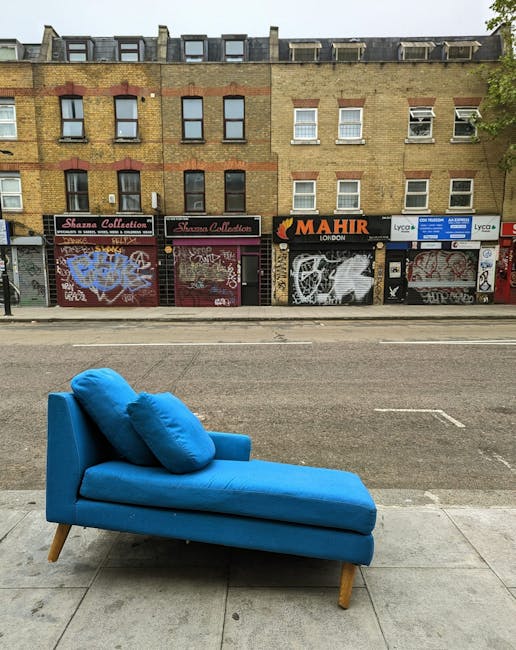
Furniture disposal rules Lewisham after Crofton Park removals: what to do with unwanted items safely and properly
Moving out of a place in Crofton Park can feel strangely simple right up until the last room is empty and you're standing there with a sofa, a broken wardrobe, a chipped coffee table, and a very real question: what now? The furniture disposal rules Lewisham after Crofton Park removals can be confusing if you've just finished a move and want everything gone quickly, without making a mess of council rules or fly-tipping laws. This guide cuts through the noise. You'll get a clear, practical rundown of what usually counts as proper furniture disposal, what to avoid, and how to choose the cleanest option for your time, budget, and conscience.
We'll also look at the difference between reuse, donation, recycling, collection, and licensed disposal, plus a few real-world tips that matter more than people expect when you're trying to clear a property fast. Let's face it, nobody wants the post-move stress of discovering they've left a bulky item in the wrong place.
- Why it matters
- How it works
- Key benefits and practical advantages
- Who this is for and when it makes sense
- Step-by-step guidance
- Expert tips for better results
- Common mistakes to avoid
- Tools, resources and recommendations
- Law, compliance, standards, or best practice
- Options, methods, or comparison table
- Case study or real-world example
- Practical checklist
- Conclusion
- Frequently asked questions
Why Furniture disposal rules Lewisham after Crofton Park removals Matters
After a move, furniture disposal is not just a tidy-up job. It's a practical, legal, and environmental issue all rolled into one. If you leave bulky items on the pavement, in a shared hallway, or near communal bins, you may create a nuisance for neighbours and risk enforcement action. If you hand items to the wrong person, you could also end up with a fly-tipping problem that's still technically linked back to you. That's the bit people overlook.
In Lewisham, as in the rest of London, the big idea is simple: furniture should go somewhere authorised, traceable, and suitable for the condition of the item. That might mean reuse, resale, donation, recycling, or collection by a licensed waste carrier. The best route depends on what the furniture is made of, whether it still works, and how quickly you need it removed after a Crofton Park move.
This matters even more in a moving week because timing gets tight. Hallways need to be clear for access. Landlords may want the flat emptied by a certain time. Cleaners may be waiting. The removals team may be at the door. And suddenly that old mattress becomes the thing slowing everything down.
Expert summary: if furniture can be reused, that is usually the cleanest solution; if not, disposal should be arranged through a route that keeps you on the right side of local waste rules and avoids illegal dumping.
How Furniture disposal rules Lewisham after Crofton Park removals Works
The basic process is easier than people think, although the details do matter. First, you separate items by condition and type. Then you decide whether each item can be reused, repaired, donated, broken down for recycling, or collected as bulky waste. Finally, you make sure the person or company removing it is authorised to do so.
For many movers, the fastest path is to bundle unwanted furniture into the removal plan itself, especially if there are several heavy pieces or if stairs, narrow corridors, or limited parking make a separate trip awkward. Services such as furniture removals and furniture pick up are often the most practical when you want the job handled in one go. If your move is broader and includes lots of boxes as well as larger items, you may also find removals or man and van support useful.
Here's the part people sometimes miss: furniture disposal is not only about getting rid of something. It is also about proving you arranged removal responsibly. Good records, clear communication, and the right collection method all help if there's ever a question later. Bit dull, yes. Also very useful.
Typical disposal routes
- Reuse: pass on items that are still safe, clean, and functional.
- Donation: suitable for furniture in decent condition that another household or charity can use.
- Recycling: appropriate when the furniture has mixed materials or is too worn out for reuse.
- Bulky waste collection: often used for large items that cannot go in normal bins.
- Licensed collection or removal service: best when you need convenience, lift assistance, or multiple items cleared quickly.
If the furniture is especially awkward, such as a wardrobe that needs dismantling or a heavy item that won't fit through the stairwell, it may be worth planning the removal alongside packing and access arrangements. The right setup saves you a lot of dragging, sweating, and mild swearing in the hallway.
Key Benefits and Practical Advantages
Following the correct furniture disposal route after a Crofton Park move gives you more than a clear room. It saves time, reduces risk, and helps the property handover go smoothly. That last part can be surprisingly valuable if you're on a tight checkout deadline.
- Less stress: one clear plan beats random last-minute lifting and dumping.
- Better compliance: you reduce the risk of improper disposal or fly-tipping concerns.
- Cleaner property handover: ideal for landlords, agents, and end-of-tenancy deadlines.
- More space during moving day: a clear route makes loading safer and faster.
- Possible reuse value: some items can be sold or donated rather than discarded.
- Environmental benefit: reuse and recycling are usually better than sending everything to waste.
There is also a quiet mental benefit. Once the old furniture is gone, the move feels finished. You can hear the echo in the empty room, see the light hit the floor properly, and move on. Small thing, maybe, but it matters.
If you're organising the whole house move, services such as home moves or house removals can be helpful when disposal is only one piece of a larger plan. For flats with tight access, flat removals can be especially relevant because shared entrances and stair access often shape what can be taken out efficiently.
Who This Is For and When It Makes Sense
This topic is relevant if you've just moved, are in the middle of a move, or are clearing a property after leaving Crofton Park. It's also useful if you're downsizing, replacing old furniture, or preparing a rental property for new tenants. Truth be told, the need shows up in all sorts of situations.
Common scenarios
- End-of-tenancy clearances: the property must be empty and tidy.
- Downsizing: not everything fits the new place, and some pieces simply won't suit the layout.
- Office or commercial changes: desks, chairs, and storage units need removal.
- Student moves: furniture may be cheap, bulky, or not worth transporting twice.
- Same-day clear-outs: when the deadline is close and you need quick turnaround.
If you're dealing with a particularly full schedule, same-day help can be a real relief. A planned same day removals booking is often the difference between a calm departure and a stressful scramble at the front door.
For businesses, the issue can be broader than one sofa or bed frame. Office furniture often needs to be moved carefully, sometimes with storage or staged removal. In that case, office removals or commercial moves may be more suitable than trying to piece the job together yourself.
Step-by-Step Guidance
A sensible disposal process is usually straightforward if you give it a little structure. Here's a practical way to work through it.
- Walk through the property room by room. Make a list of every item you do not want to keep. Be blunt. That scratched sideboard probably isn't magically improving tomorrow.
- Sort by condition. Separate reusable, repairable, recyclable, and waste-only items.
- Check access. Measure doorways, stair turns, lifts, and parking restrictions if you're removing larger furniture.
- Choose the removal route. Donation, resale, collection, or a removal service are all possible depending on condition and timing.
- Disassemble where sensible. Flat-pack items, bed frames, and modular storage are much easier to move when taken apart carefully.
- Protect shared areas. Use blankets or cardboard where needed so you don't mark walls, floors, or bannisters.
- Confirm the pickup window. Make sure someone is available to hand over access and answer quick questions.
- Keep a record. Save booking details, message trails, or receipts so you know what was arranged and when.
A small practical note: if the furniture is being collected from inside a building, clear the route first. Shoes, planters, cable clutter, and loose packaging can all become trip hazards when people are carrying bulky items. The boring prep work often saves the day.
If you need help with lifting, loading, or transporting items out of a property, a man with van or removal van arrangement can be a sensible middle ground between doing it yourself and booking a full-scale moving truck.
Expert Tips for Better Results
Most disposal problems happen because the last 10% of planning gets skipped. That's where things go sideways. A few simple habits make the process much smoother.
- Book the removal before the deadline gets tight. Furniture rarely shrinks overnight, annoying as that would be.
- Separate items that may still be useful. A chair with a scuffed leg might still be perfect for a garage, student flat, or storage space.
- Label what stays and what goes. It prevents accidental removal of something you meant to keep.
- Ask about dismantling in advance. Some items need to be partly taken apart before collection.
- Plan for heavy or awkward pieces first. Sofas, wardrobes, and beds should be the priority because they affect access.
- Think about reuse before disposal. It is often cheaper and kinder to the environment.
If your move has already filled your home with boxes and packing material, it can help to coordinate furniture disposal with packing support. A service like packing and boxes or packing and unpacking services can reduce the chaos around the same time. That sounds like a lot, but in practice it often just means less standing around wondering where the tape went.
One more thing. If you are unsure whether an item qualifies for reuse, be conservative. If it smells damp, has a strong stain, or is structurally shaky, don't assume someone else will want it. Better to be honest early than to create a collection problem later.
Common Mistakes to Avoid
Furniture disposal looks simple until it isn't. Here are the most common slip-ups after a Lewisham move, and they're easy enough to avoid if you know what to watch for.
- Leaving items beside communal bins: this is one of the quickest ways to cause trouble.
- Assuming any pickup is legitimate: not every collector is authorised to take waste.
- Waiting until moving day: last-minute disposal usually costs more time and energy.
- Forgetting access restrictions: parking, loading bays, and narrow stairs matter.
- Mixing reusable items with rubbish: it can spoil the chance of donation or resale.
- Not checking tenancy obligations: some agreements require the property to be fully cleared.
- Ignoring bulky item weight and size: a piece that looks manageable can turn into a two-person job very quickly.
There's also the emotional mistake, if we're honest: trying to carry a sentimental item that you've already decided not to keep. You end up spending twenty minutes debating a drawer unit. Happens all the time. Sometimes the kindest move is to let the item go and keep moving.
Tools, Resources and Recommendations
You do not need much specialised gear to dispose of furniture properly, but a few items make a real difference. Good moving gloves, a trolley or sack truck, furniture sliders, strong tape, and a measuring tape can all save time and strain. In a tight Crofton Park hallway, even a blanket draped over a corner can prevent a scuffed wall.
For property types where storage is part of the decision, especially if you are not ready to part with everything, temporary holding can be useful. That is where storage becomes a practical option. It gives you space to think without forcing a rushed decision on every piece of furniture.
Useful service pages to consider, depending on your situation, include:
- furniture removals for single-item or multi-item clearance
- man and van for flexible local transport
- removal services for a broader moving and disposal job
- pricing and quotes if you want to compare your options clearly
You may also want to review a company's trust and safety pages before booking. A clear insurance and safety policy and a transparent health and safety policy can tell you a lot about how carefully a provider works in real life.
Law, Compliance, Standards, or Best Practice
Furniture disposal in Lewisham should be handled in line with UK waste rules and normal local authority expectations. In plain English, that means you should not abandon furniture on the street, hand it over to someone unlicensed, or assume that "someone else will sort it out" is a safe plan. If a company removes waste for you, it should be able to do so as a legitimate business with the right controls in place.
Best practice usually includes:
- Using a legitimate waste carrier or removal provider when items are being taken away as waste.
- Keeping proof of collection where possible.
- Separating reusable goods from waste to support reuse and recycling.
- Following property rules for exits, loading, and shared spaces.
- Checking that electrical furniture is handled carefully if it includes plugs, cords, or internal components.
For landlords, agents, and tenants, the practical standard is simple: leave the property clear, avoid leaving bulky items behind, and make sure disposal is traceable. If you're managing a flat, house removalists or house removals support can help keep the process tidy and documented.
Commercial customers should be especially careful with office furniture, because desks, storage units, and chairs can build up quickly and may need a staged removal approach. That is where structured planning and sensible service selection matter more than speed alone.
Options, Methods, or Comparison Table
There isn't one single right way to dispose of furniture after a move. The best choice depends on condition, urgency, and how much lifting is involved. Here's a simple comparison to help you think it through.
| Method | Best for | Pros | Trade-offs |
|---|---|---|---|
| Donation or reuse | Good-condition furniture | Low waste, helps others, often simple | Items must be clean and usable |
| Self-delivery | Small amounts and accessible transport | Full control, may suit flexible schedules | Time-consuming, heavy lifting, fuel and parking hassles |
| Bulky collection | Large household items | Convenient, suited to awkward items | Needs advance planning and correct access |
| Removal service | Multiple items, tight timelines, limited access | Fast, practical, less stress | May cost more than DIY |
If your move is small and straightforward, a flexible man with a van solution may be enough. If you are moving lots of furniture or coordinating a whole property clearance, a broader removal companies approach may fit better. Simple decision, but not always an obvious one.
Case Study or Real-World Example
Imagine a couple leaving a rented flat near Crofton Park station. They have a bed frame, two bedside tables, a heavy sofa, and a bookcase that has survived one too many moves. The landlord wants the flat empty by lunchtime. The couple initially thinks they can leave the sofa for a friend, donate the bookcase, and sort the rest later. Then the final week arrives, and the friend can't collect, the lift in the building is slow, and the sofa is suddenly the main problem.
Instead of trying to solve it piece by piece on moving day, they arrange the removal in advance. The good items are set aside for reuse. The awkward furniture is collected together. The hallway stays clear. The flat is handed back without a last-minute panic. Nothing dramatic, no heroics, just a smoother outcome.
That kind of planning is exactly why furniture disposal rules Lewisham after Crofton Park removals matter. The rules aren't there to make your life awkward. They're there to keep streets clear, properties tidy, and waste moving through the right channels.
Practical Checklist
Use this checklist before the final handover.
- Have I listed every item I want to dispose of?
- Have I separated reusable furniture from waste?
- Do I know which items need dismantling?
- Have I checked access, parking, and stair clearance?
- Have I booked the collection or removal slot early enough?
- Do I know whether the provider is suitable for furniture removal?
- Have I removed personal items from drawers and storage spaces?
- Have I protected floors, walls, or shared areas if needed?
- Do I have proof of the booking or collection?
- Have I checked the property is fully clear before handover?
If you can tick all of that off, you're in good shape. Not perfect, just well prepared. And honestly, that is usually what makes the difference.
Conclusion
Handling furniture disposal rules Lewisham after Crofton Park removals is really about making one sensible plan and sticking to it. Separate what can be reused, choose the right route for what cannot, and avoid the easy mistakes that create stress at the end of a move. Whether you're clearing a flat, a house, or a commercial space, the goal is the same: keep the process legal, practical, and as painless as possible.
When you get it right, the property looks cleaner, the move feels lighter, and you're not left wondering whether that old sofa is still your problem. Nice when that happens.
Get a free quote today and see how much you can save.
If you want a company background before booking, you can also learn more through the about us page, or check the terms and conditions so you know exactly how things are handled. Clear information makes for a calmer move, and that's worth a lot.
Frequently Asked Questions
What are the furniture disposal rules Lewisham after Crofton Park removals actually about?
They are about removing unwanted furniture responsibly after a move, without leaving bulky items in shared areas, on pavements, or with unlicensed collectors. The main aim is safe, traceable, and lawful disposal.
Can I leave furniture outside for collection after moving out?
Only if it has been arranged properly and the collection method allows it. Leaving furniture outside without a proper plan can create a nuisance and may be treated as fly-tipping or improper waste placement.
Is donation better than disposal?
Usually, yes, if the furniture is still in good condition. Reuse is often the most practical and environmentally friendly option. But if an item is unsafe, damaged, or unhygienic, disposal may be more appropriate.
What should I do with broken furniture after a Crofton Park move?
Broken items usually need to go through recycling, bulky waste, or a licensed removal route. If the item is unsafe or heavily damaged, don't try to force a reuse option just because it feels tidier.
Do I need to dismantle furniture before disposal?
Not always, but dismantling can make removal much easier. Beds, wardrobes, and shelving often move more safely when partially taken apart, especially in tight London properties.
How do I know if a collection company is legitimate?
Look for clear company details, transparent pricing, and sensible safety information. A provider with proper insurance and a clear waste-handling process is generally a safer choice.
Can a removal van help with furniture disposal too?
Yes. A removal van can be useful when you need furniture taken away as part of a wider move or clearance. It is especially handy if you have more than one item or awkward access.
What if I need furniture removed the same day?
Same-day options may be possible, depending on availability and the size of the job. They are often useful when a tenancy deadline is close or a property needs to be handed over quickly.
Is storage a sensible option if I am not ready to dispose of everything?
Yes, if you are unsure about certain items. Storage gives you time to decide whether to keep, sell, donate, or dispose of furniture later without rushing.
What is the safest option for heavy or awkward furniture?
For heavy items, the safest option is usually professional help with proper lifting and transport equipment. It reduces the risk of injury and damage to walls, floors, and door frames.
Do landlords usually expect all furniture to be removed?
If the property was rented unfurnished or if your agreement says so, then yes, it is usually expected to be clear. It is always worth checking your tenancy obligations before moving day.
How do I avoid a fly-tipping problem after removals?
Use a proper collection route, keep records where possible, and make sure the items are handed to a legitimate provider. Avoid informal handovers to someone whose process you cannot verify.
Where can I get help with furniture disposal during a move?
You can look at local removal support such as furniture pick up, removal services, or pricing and quotes to compare the most suitable approach for your move.